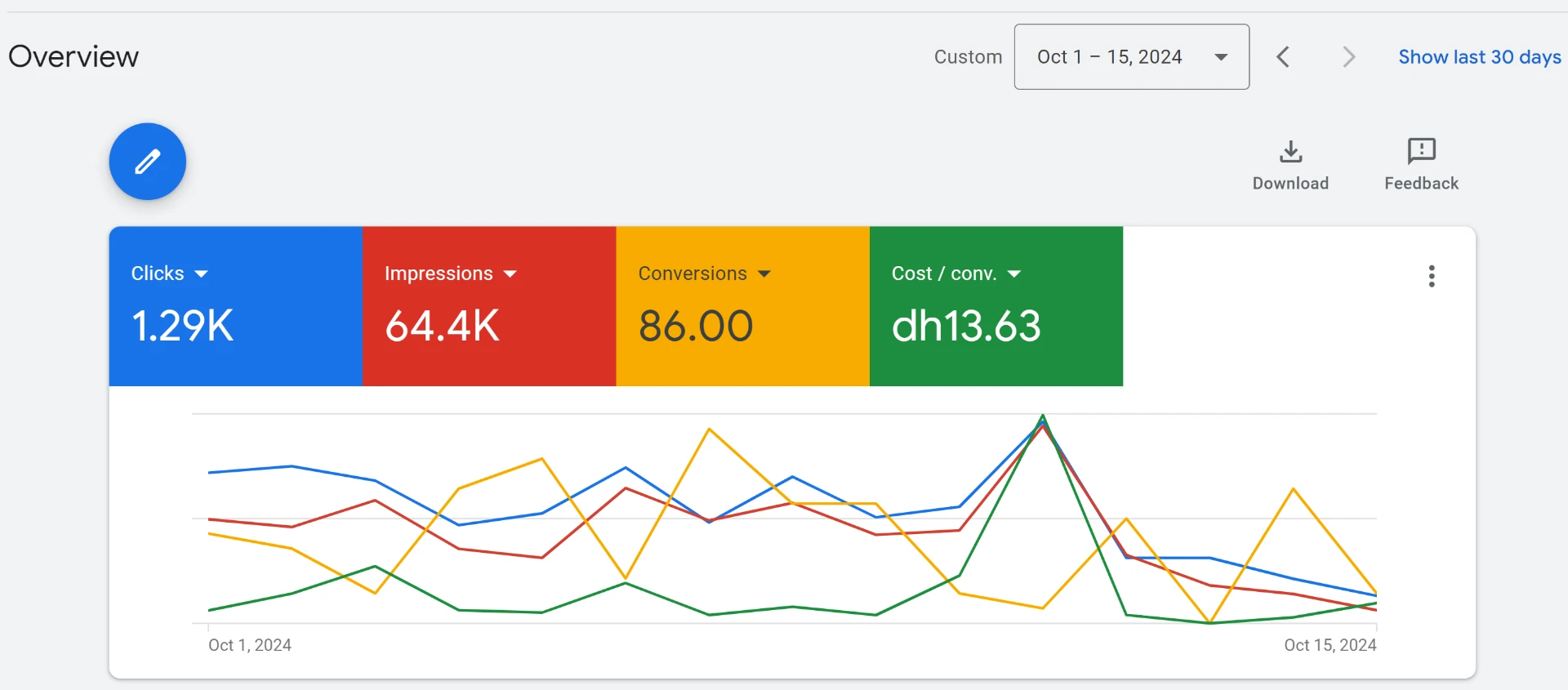
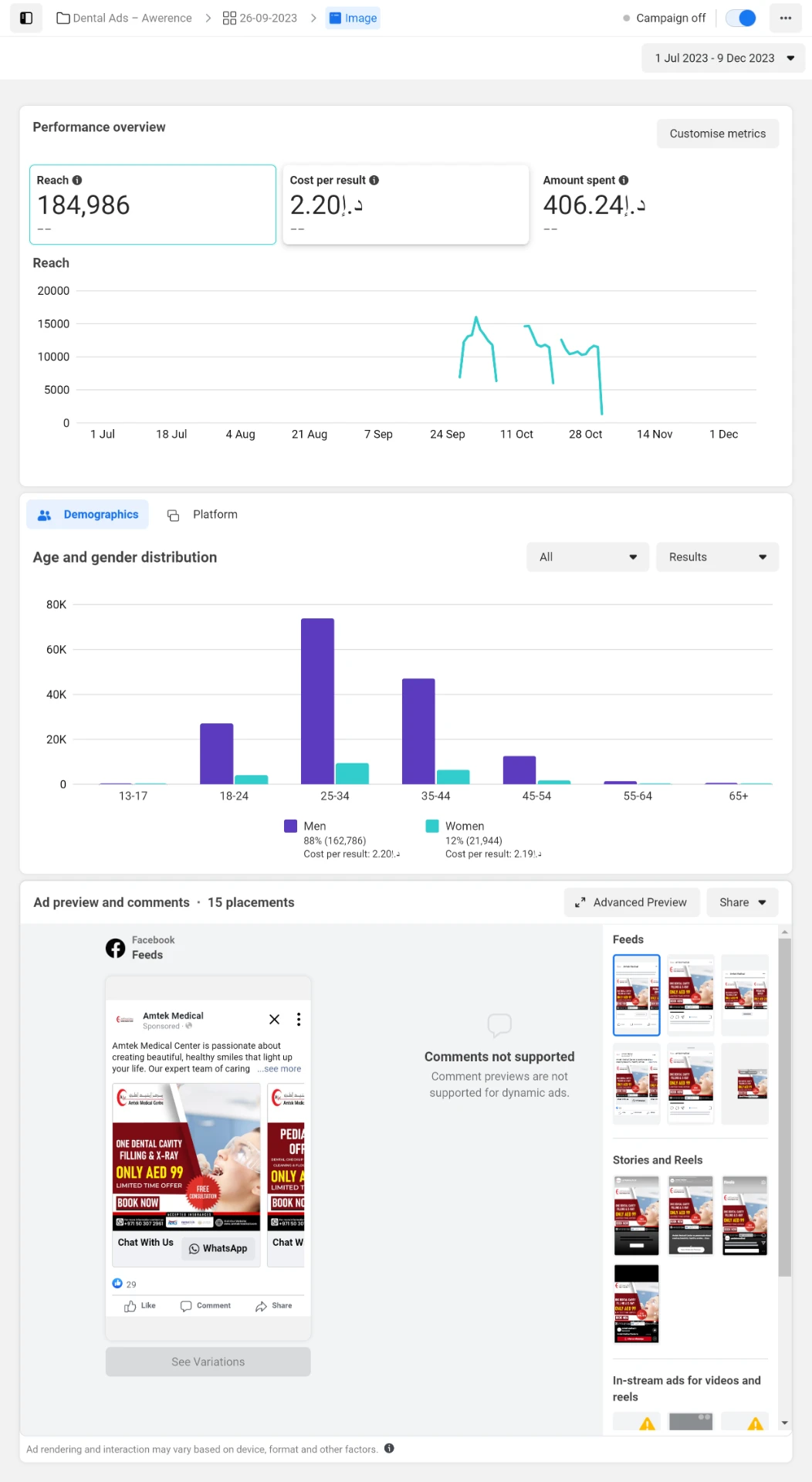
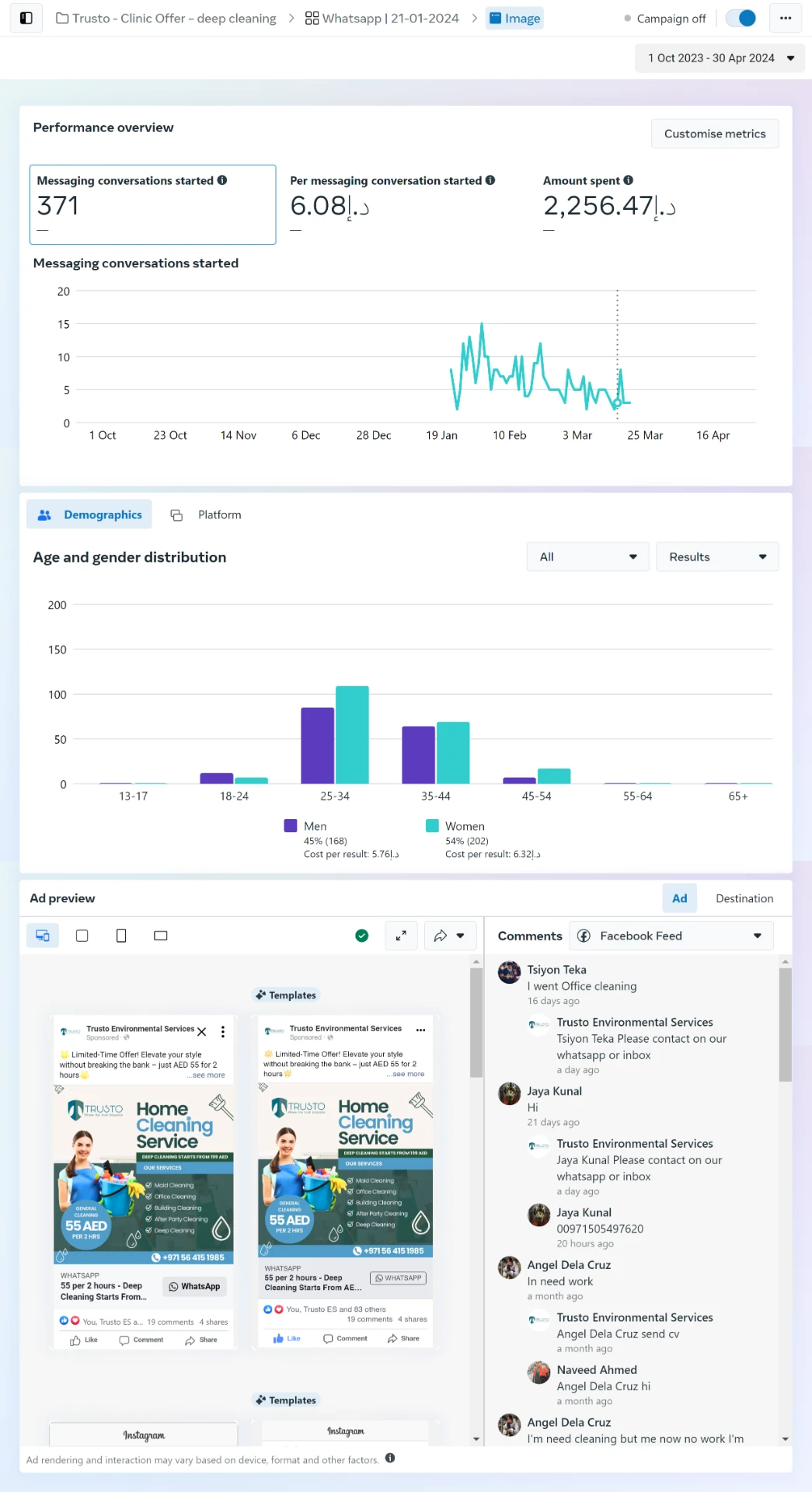
Paid Media Strategy
Channel selection, account structure, audience strategy, search intent, budgets, campaign priorities and the role each platform should play.
- Google Ads
- Meta Ads
- TikTok Ads
- Snapchat Ads

Performance Marketing
You can optimise campaigns for months and still miss the reason growth is stuck.
The problem may be
My performance marketing work looks across that entire journey.
Paid media gets attention. The rest of the system decides what that attention becomes.
Google Ads, Meta Ads, TikTok, Snapchat, landing pages, tracking and business feedback connected around one acquisition journey.

When performance feels wrong
This happens more often than it should.
Then somebody asks the question that changes the conversation:
“How many of those leads actually became customers?”
That is where performance becomes more complicated.
A platform can optimise toward the event you give it. If the event is a form submission, it will try to generate more form submissions.
But the business may care about something further down the journey.
The closer marketing gets to those outcomes, the more useful the optimisation becomes.

A platform knows that someone converted.
The business knows whether the conversion mattered.
Performance marketing gets stronger when those two views start speaking to each other.
My definition
It is a way of making marketing decisions.
The goal is not to make every metric go up.
The goal is to understand which numbers should move the business forward.
That is why my work can touch several parts of the acquisition journey without forcing every client into the same package.
The acquisition journey

First, understand what already exists.
Are people actively searching for the service?
Do they know the problem but not the solution?
Does demand need to be created before it can be captured?
This decides how the journey should begin.
Then decide where attention should come from.
Google can capture active intent.
Meta can create and retarget demand.
TikTok can introduce an offer through content-first creative.
Snapchat can make sense when the market and audience fit.
The platform follows the customer.
The customer needs a reason to stop, click or continue.
That reason comes from the problem, offer, positioning and the language used to explain it.
Strong targeting cannot rescue a message nobody cares about.
After the click, the visitor starts judging.
Is this relevant to me?
Do I understand the offer?
Can I trust this business?
What happens if I respond?
A strong landing page reduces the number of reasons to leave.
Tracking tells us what happened.
Useful tracking tells us what happened that matters.
Forms, calls, WhatsApp conversations, purchases, appointments and qualified leads can all tell a different story.
The final signal often sits outside the advertising platform.
Was the lead relevant?
Did they answer?
Were they qualified?
Did they book?
Did they buy?
That feedback helps the marketing become smarter.
Performance improves when those six parts stop operating like separate conversations.
The work
Channel selection, account structure, audience strategy, search intent, budgets, campaign priorities and the role each platform should play.

Campaign structure, search terms, targeting, creative testing, budget allocation, bidding, retargeting and the ongoing decisions that improve efficiency.

Message match, page structure, proof, forms, mobile experience, conversion friction and the path between the ad and the action.
Explore Landing Pages & CRO · page coming soon
Google Analytics 4, Google Tag Manager and advertising-platform events connected around meaningful conversion actions.
Explore Tracking & Analytics · page coming soonLooking beyond the volume of enquiries to understand whether the campaigns are generating people the business can realistically convert.
Explore Lead Generation · page coming soonOffer, positioning, audience, channel mix, acquisition priorities and what the business should solve before increasing media spend.
Explore Marketing Strategy · page coming soonBefore I change anything
First, we need to know why.

Diagnostic questions
The first useful decision is often deciding what not to optimise yet.
The difference in practice
At first, that sounds like a clear win. The campaign is producing 40% cheaper enquiries.
Now look one level deeper.
AED 100
Cost per lead
AED 60
Cost per lead
The second campaign is cheaper inside the advertising platform. The first campaign may be far more valuable to the business.
The deeper the measurement goes, the more useful the optimisation becomes.

Is this the right starting point?
This service fits when:
If the problem is clearly limited to one channel, the individual service page may be the better starting point.
If several parts of the acquisition journey are involved, performance marketing is where I would start.
Go deeper
You have existing search demand or an active Google Ads account that needs stronger structure, intent, tracking or lead quality.
Google Ads ServicesYou need demand generation, creative testing, retargeting or better performance across Facebook and Instagram.
Meta Ads ServicesYour audience is active on TikTok and you need a creative-first paid acquisition approach.
TikTok Ads Services · coming soonYour market and audience fit Snapchat and you want to test or improve acquisition there.
Snapchat Ads Services · coming soonThe traffic is coming in, but the post-click experience is losing too many people.
Landing Pages & CRO · coming soonThe campaigns are running, but the conversion data cannot be trusted.
Tracking & Analytics · coming soonWhat success looks like changes
A clinic may care about booked consultations or attended appointments. A form submission is only an earlier signal.
A qualified distributor conversation or procurement enquiry may matter more than lead volume because the sales cycle is longer and the commercial value is higher.
Calls, WhatsApp enquiries and quote requests can be useful, but quality and service-area relevance matter.
Revenue, customer acquisition cost, conversion rate, average order value and repeat purchasing can change how campaigns should be judged.
Performance marketing becomes useful when measurement reflects the economics of the business.
The process
Business model, offer, customer, sales process, market and what success means financially.
Check what is currently being tracked and whether the conversion signals represent something useful.
Find where the journey is losing performance across media, page, tracking, quality or follow-up.
Fix the highest-value constraint before creating more work elsewhere.
Make controlled changes with a clear reason behind each test.
Look at campaign data together with conversion and business feedback.
Increase spend where the economics, quality and conversion path support it.
Scaling should be the result of understanding the system, not the first response to a good week.
Better visibility
At any point, the business should be moving toward better answers.
Questions the system should help answer
From real accounts
Situations where more than one part of the acquisition journey was involved. Platform-reported conversions are shown as reported and are not presented as confirmed sales.
Verified evidence for this case is being prepared. It will be published here once the account data can be shown accurately.
Common questions
Start with what you know
If those two stories match, we have something to scale. If they do not, that is where the useful work starts.
Bring the campaigns. The leads. The landing page. The tracking. Or simply the problem you cannot explain yet.
We can work backwards from there.
You do not need to diagnose the problem before the conversation.